Oil Sands Monitoring
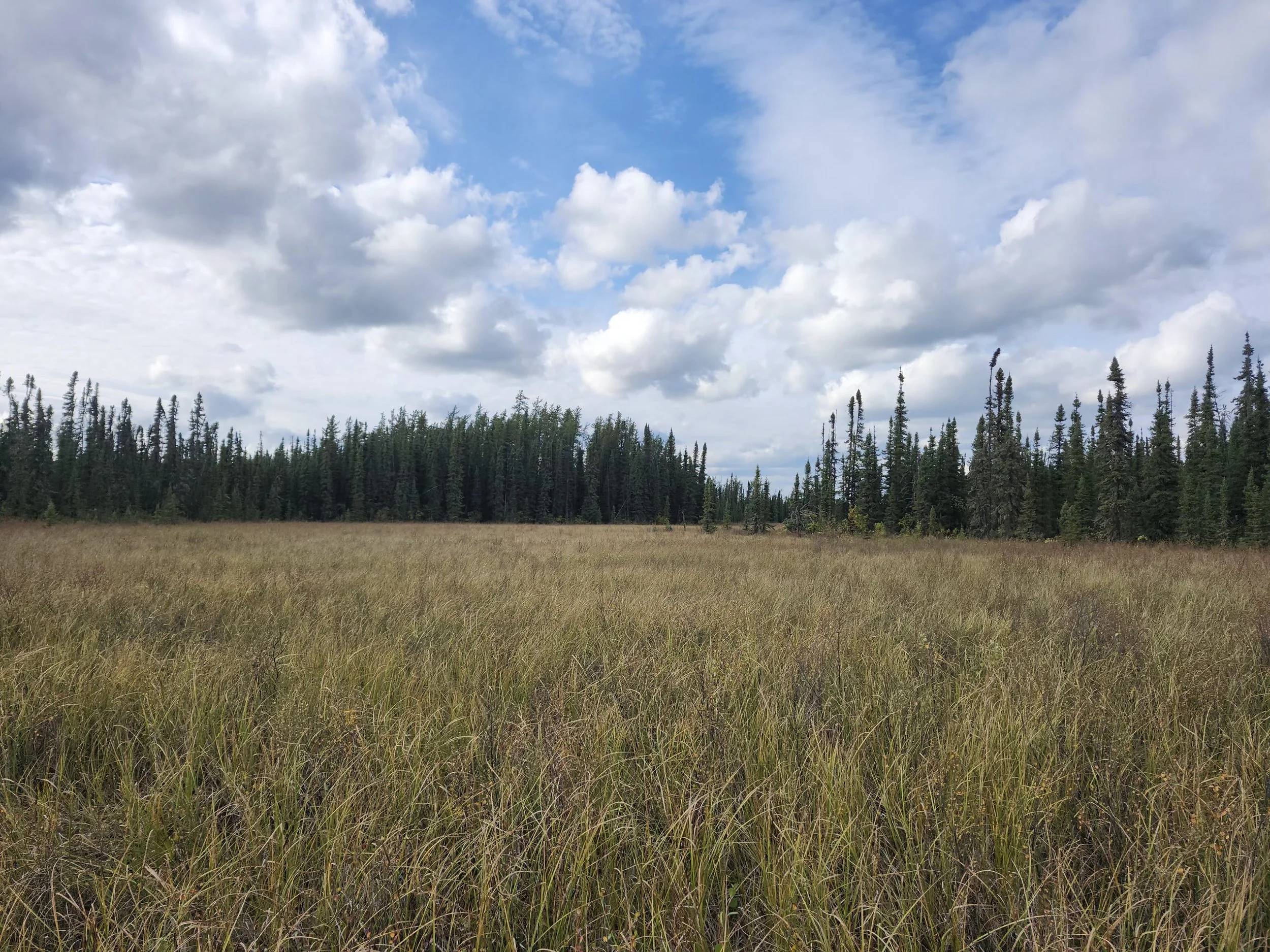
The Oil Sands Monitoring program is a joint venture designed by academic, provincial, Indigenous, and industry partners to assess many aspects of ecosystem impacts of industrial oil and gas activities in Alberta, but here my collaborators and I work with the large mammal component of the Terrestrial Biological Monitoring team. We are continuously learning more about the impacts of oil and gas on large mammal communities, generating long-term insights on how these activities affect iconic Canadian mammals.
Landscape Configuration Matters
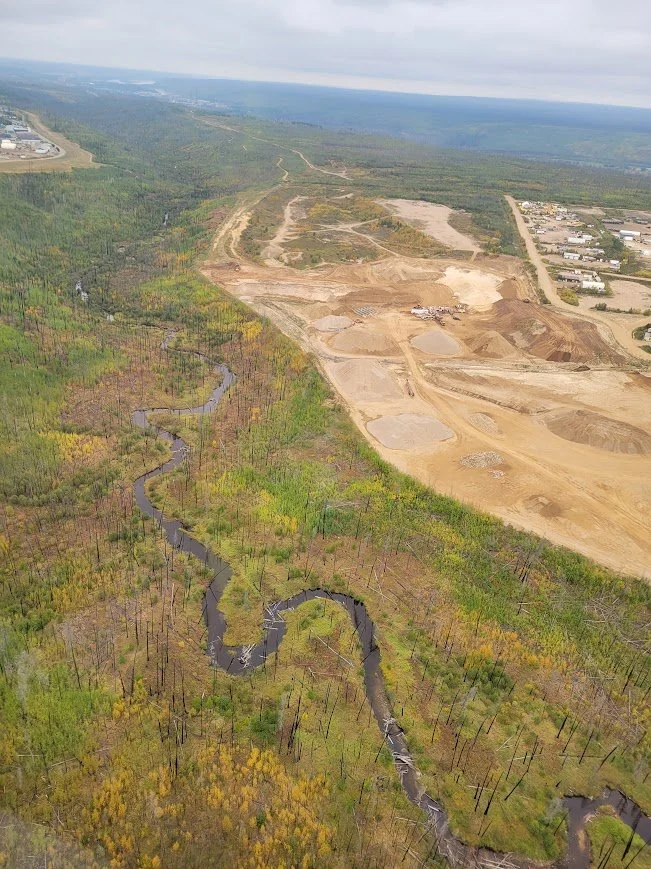
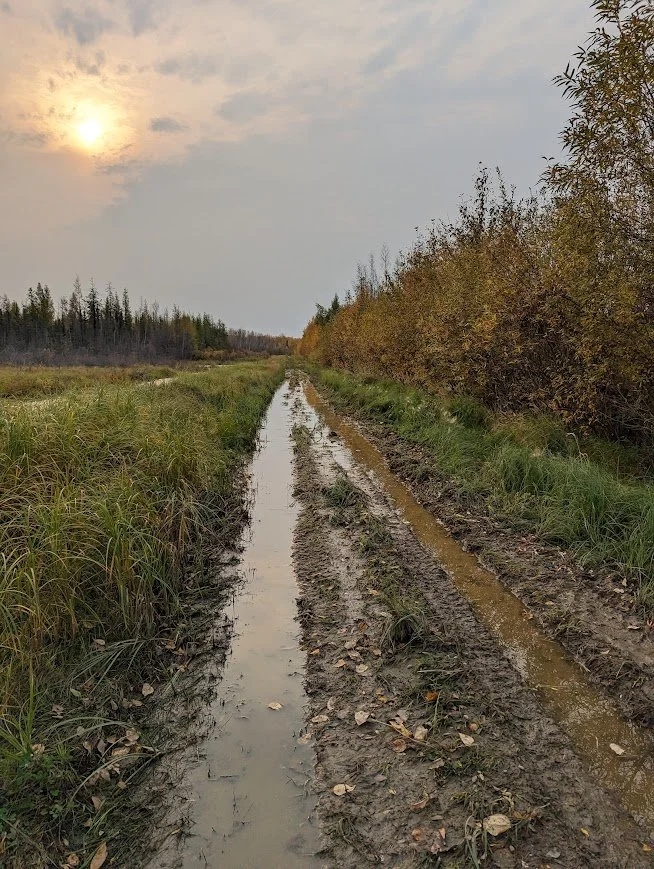
The way landscapes are arranged matters just as much as how much of it is altered! In regions shaped by oil and gas development, forests are not simply removed in large blocks, but reshaped into a complex pattern of roads, seismic lines, well pads, and other infrastructure. These features divide the landscape into smaller pieces and change how animals move, find food, and avoid risk. As a result, the impacts of development depend not only on how much habitat is lost, but on the patterns those changes create across landscapes.
Recent student-led work by Rebecca Smith, Aidan Brushett and Emerald Arthurs looks at these patterns in mammals ranging from Red squirrels to Moose!
Species Interactions Drive Ecosystems
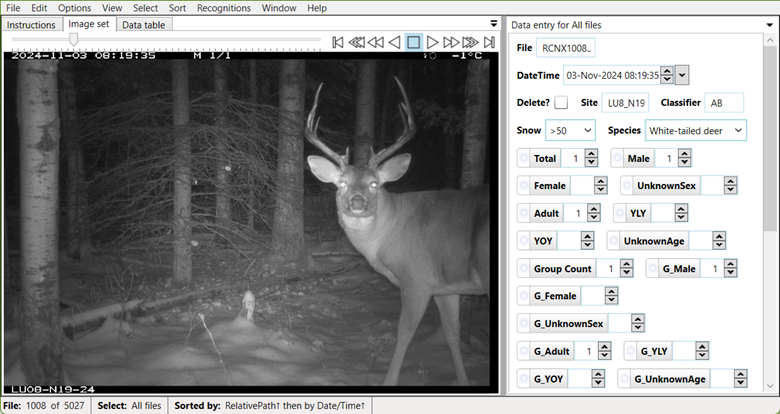
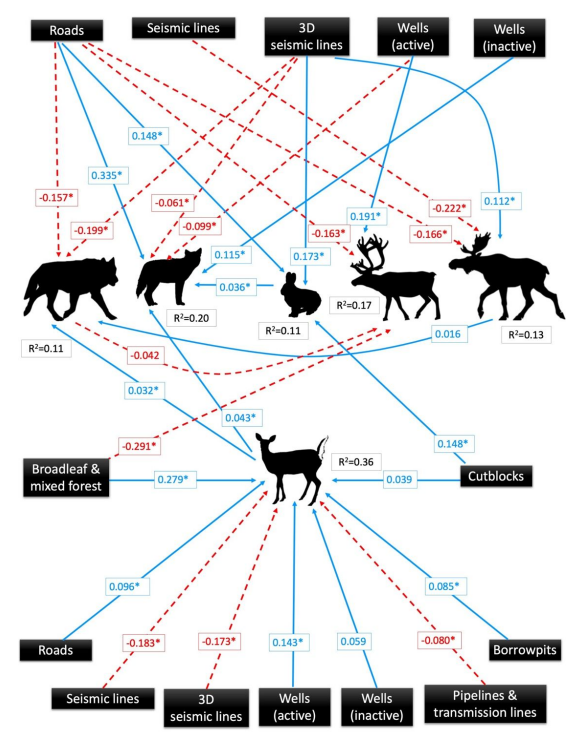
Ecosystems are shaped by interactions among species, not just be the presence or absence of individual animals. Predator-prey relationships, competition, and avoidance all influence where species occur and how they use landscapes. Using camera trap data, I study these relationships at both the species level and across the mammal community as a whole. By combining these observation with ecosystem-level analyses, we can explore how these interaction networks shift as landscapes are altered by human activity
Key findings from this research show white-tailed deer are major drivers of “rewiring” ecological networks in the boreal forest (courtesy of work done by Dr. Marissa Dyck). Other work on smaller prey items like Red Squirrels and Snowshoe Hares is ongoing, led by amazing students in the lab!
Open Data Practices
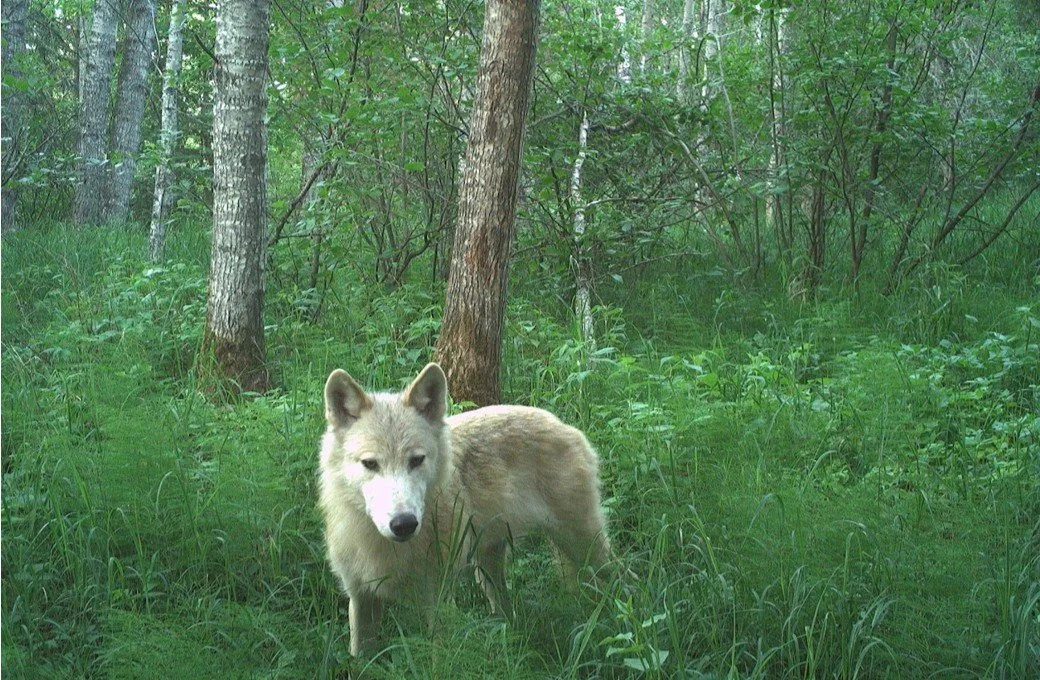
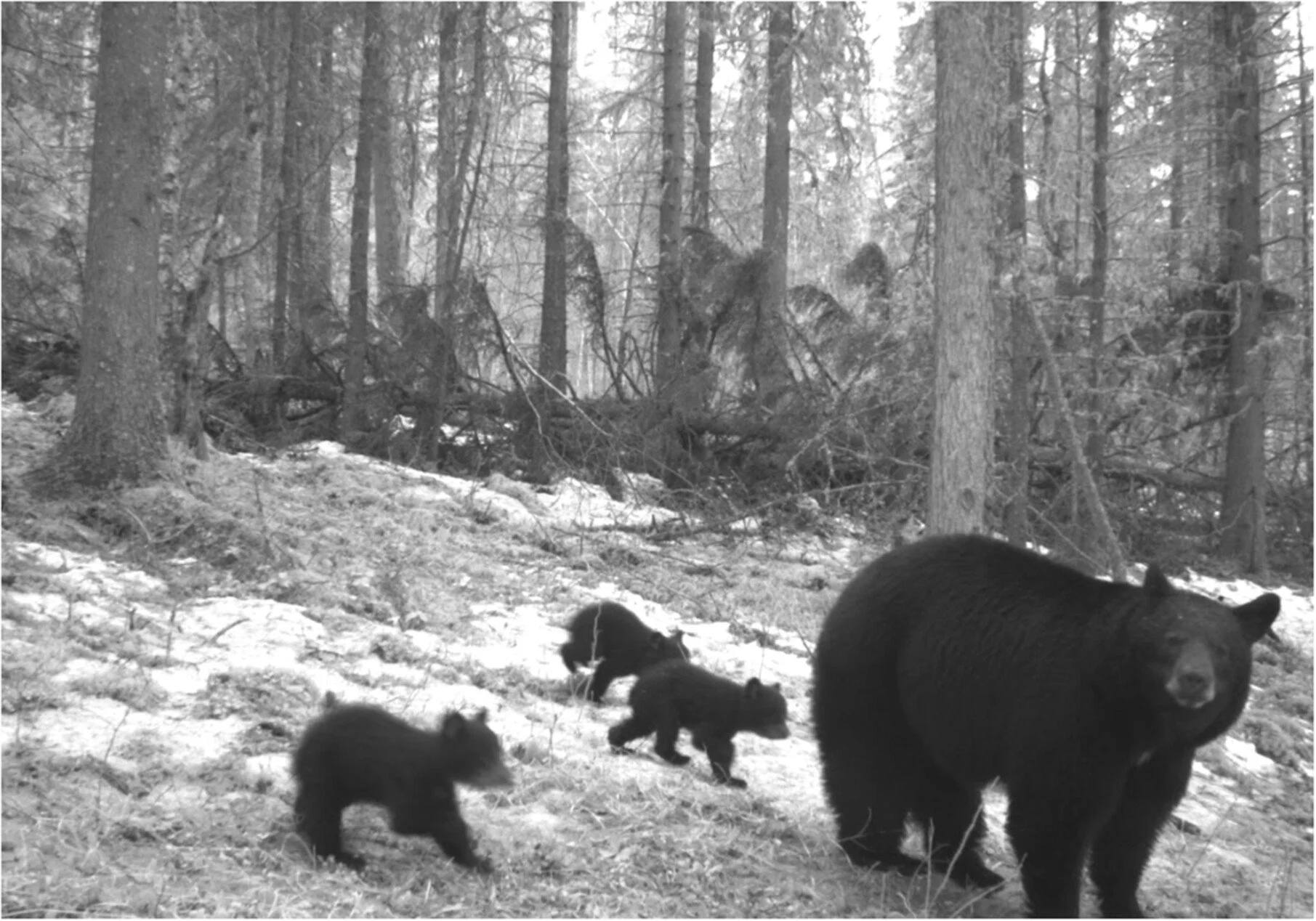
Our contribution to the Oil Sands Monitoring program now spans 430 remote cameras operating over four years, resulting in over 600,000 images! This work has taken a monumental amount of effort by field staff, image reviewers, funders, and analysts to prepare the data for conservation decision making.
Because we want this data to be made available for all to use, we have recently submitted the collated, analysis-ready data for publication in Ecology. Open access data matters, and the more open we can be with our data, the closer we will be to finding better solutions to environmental management.